Film SHUMEI
Shūmei: Is It Just Inheriting a Name?
Aug 15, 2026 · 6 min read
As a system, shūmei is simple to define: an actor takes over a predecessor's name and performs under it. But a hereditary name carries generations of artistry, signature roles and audience memory. This article thinks through the question — keeping verifiable fact and editorial interpretation clearly separate.
KEY FACTS
- Shūmei is kabuki's system of name succession, marked by celebratory performances and a formal on-stage address (kōjō).
- A myōseki accumulates the styles, roles and reputations of every generation that held it — more than a mere stage name.
- The first Ichikawa Danjūrō, active in Edo's Genroku era, is credited with creating the aragoto style.
- Ichikawa Danjūrō XIII Hakuen succeeded to the name in 2022.
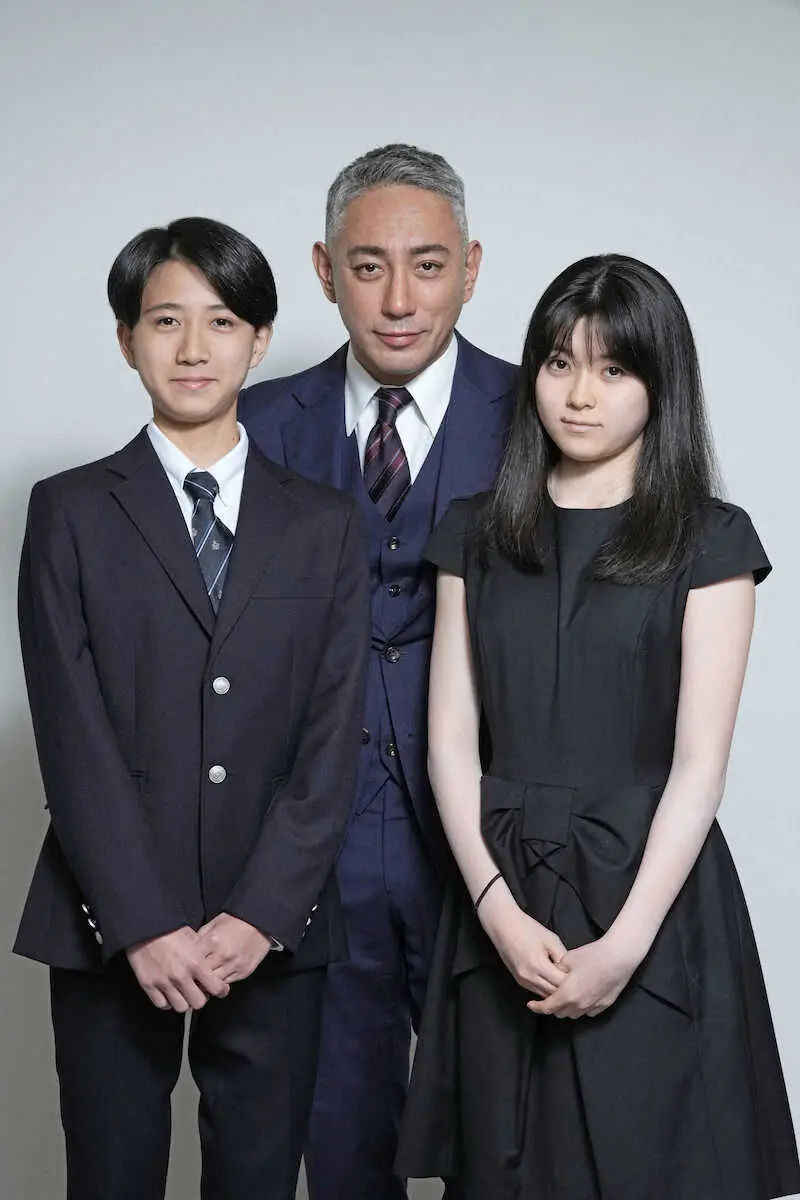
Fact: Shūmei as a System
Let us begin with what can be verified. Shūmei is the formal succession of a predecessor's name by an actor, practised in kabuki since the Edo period. A succession is celebrated with special performances, and in a formal address called kōjō the actor announces the new name to the audience in person.
The name belongs to an artistic lineage rather than to an individual. Succession has most often passed within families, though historically there are also cases of leading disciples inheriting a name. Who succeeds to which name, and when, has always been decided among the family, the school and the producers.
Fact: What a Name Carries
The name Ichikawa Danjūrō is traced back to the first holder, active in the Genroku era (late 17th century), who is credited with creating the bravura aragoto style. Each subsequent generation carried the name near the centre of kabuki in its own era — including the codification of the Kabuki Jūhachiban, the family's eighteen signature plays. The name itself is woven into the history of kabuki's repertoire and style.
The current holder, Ichikawa Danjūrō XIII Hakuen, succeeded to the name in 2022. Everything up to this point lies within the range of documented fact.
From Here, Interpretation: A Name as a Question
What follows is not historical explanation but our editorial interpretation. To call shūmei an 'inheritance' captures perhaps half the truth. A myōseki is not an asset you receive once and keep; it is closer to a question posed anew every day from the moment of succession: is the stage you stand on today worthy of those who held this name before you?
At the same time — in our view — succession is not an act of tracing the past. Each generation renewed the name for the audiences of its own time. If this name has lasted centuries, it is not because it was preserved, but because it was remade in every generation. That is the hypothesis we would place beside you as you watch the film SHUMEI.
Toward the Film SHUMEI
The film SHUMEI is scheduled to open across Japan on 25 September 2026. How will it portray the one who hands a name over, the one who receives it, and the time that flows between them? Having separated fact from interpretation, see for yourself in the cinema.
The statements about the historical system in this article were fact-checked against sources and reviewed under supervision in September 2026. Supervision covers the intent and key points; any error found will be corrected by the editorial team and recorded, with its date, in the correction history.
Related Terms & Plays
Related events
Sep 25, 2026
Film "SHUMEI": Nationwide Release in Japan
Nationwide (Japan)
The film "SHUMEI" opens in cinemas across Japan. What does it mean to inherit a name? Where does tradition end and the individual begin? The questions at the heart of kabuki, on the big screen.
- Author
- KABUKI Universe Editorial Team
- Supervision
- Ichikawa Danjūrō
- Fact check
- KABUKI Universe Editorial Team
- Published
- Aug 15, 2026
- Updated
- Sep 8, 2026
- Verified
- Sep 8, 2026
Supervision means Ichikawa Danjūrō has reviewed this page's intent and key points. The text is the editorial team's writing, not Ichikawa Danjūrō's own statements. Editorial responsibility rests with the team, which corrects any error. Read the editorial policy
Sources
Corrections
No corrections to date.